Inspiring Seniors to Prioritize Exercise Through Structured Fitness Guidelines
Wiki Article
Staying physically engaged is crucial for individuals of every age group, but it grows especially important as individuals grow older. For elders, consistent movement supports maintaining self-reliance, enhances flexibility, and enhances overall well-being. Well-rounded fitness plans provide aging individuals with systematic methods to fitness that cover balance, mobility, power, and stamina. By following professionally developed workout recommendations, older participants can enhance their quality of life while lowering the risks of injuries, long-term illnesses, and cognitive decline.
Exercise for older adults is not restricted to strenuous training sessions or heavy gym workouts. It centers instead on low-impact, steady, and ongoing movement that suits individual capacities. Activities such as brisk walking, flexibility drills, gentle yoga, and light resistance training aid in preserving limberness and muscle tone. Heart-strengthening activities like swimming or recumbent cycling improve cardiovascular function, which are vital for maintaining physical endurance and stamina. These types of exercise also support mental function, as studies have indicated that routine fitness can boost recall, emotional well-being, and cognitive function.
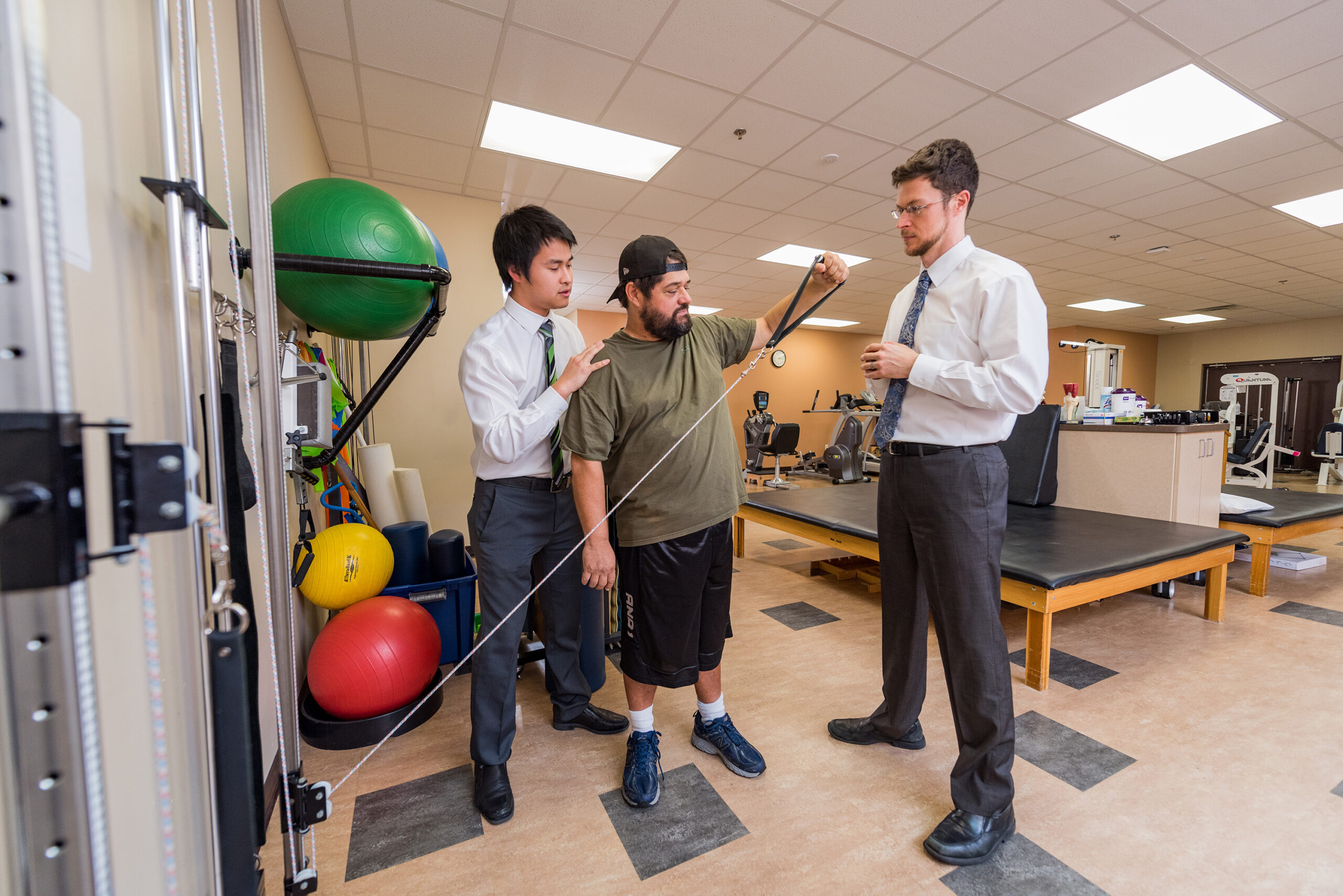
Holistic training plans prioritize a integrated method to wellness, covering muscular, emotional, and community dimensions of well-being. Participants are advised to start gradually and advance at a comfortable pace, guaranteeing injury prevention while avoiding strain. Incorporating mobility sessions reduces muscle soreness, while proper fluid intake and diet enhance exercise routines. Additionally, group fitness environments—such as go to the website senior workout groups or community walking programs—provide opportunities for social interaction, engagement, and emotional support, which are equally important to total wellness.
Expert assistance serves a key function in assisting seniors develop tailored exercise plans. Seeking advice from right here physicians, mobility experts, or exercise professionals ensures that routines are aligned to individual health conditions, physical capabilities, and objectives. These professionals can suggest appropriate workout protocols that consider factors such as mobility concerns, skeletal weakness, or cardiovascular limitations. Through consistent assessment and revision, training programs stay beneficial and motivating, promoting lasting adherence and achievement.
In conclusion, enabling seniors to participate in exercise through structured exercise guidelines creates a community of lifelong movement. When participants are equipped with knowledge, confidence, and structured support, they build assurance in their strength and enjoy greater autonomy. Sustained fitness improves not only body health but also cognitive health and well-being. By supporting adaptive, professionally structured exercise plans, organizations can enable that all participants has the chance to lead a healthy, vibrant, and rewarding journey.